
 Louis Vuitton
 Small Bags
 Midium Bags
 Backpack
 Travel Bag
 BV
BV Hermes
 Chanel
 Dior
Dior Home decor
 Blanket&Pillow
 Porcelain
Bottega Veneta: How It Became the Quiet Force in Luxury

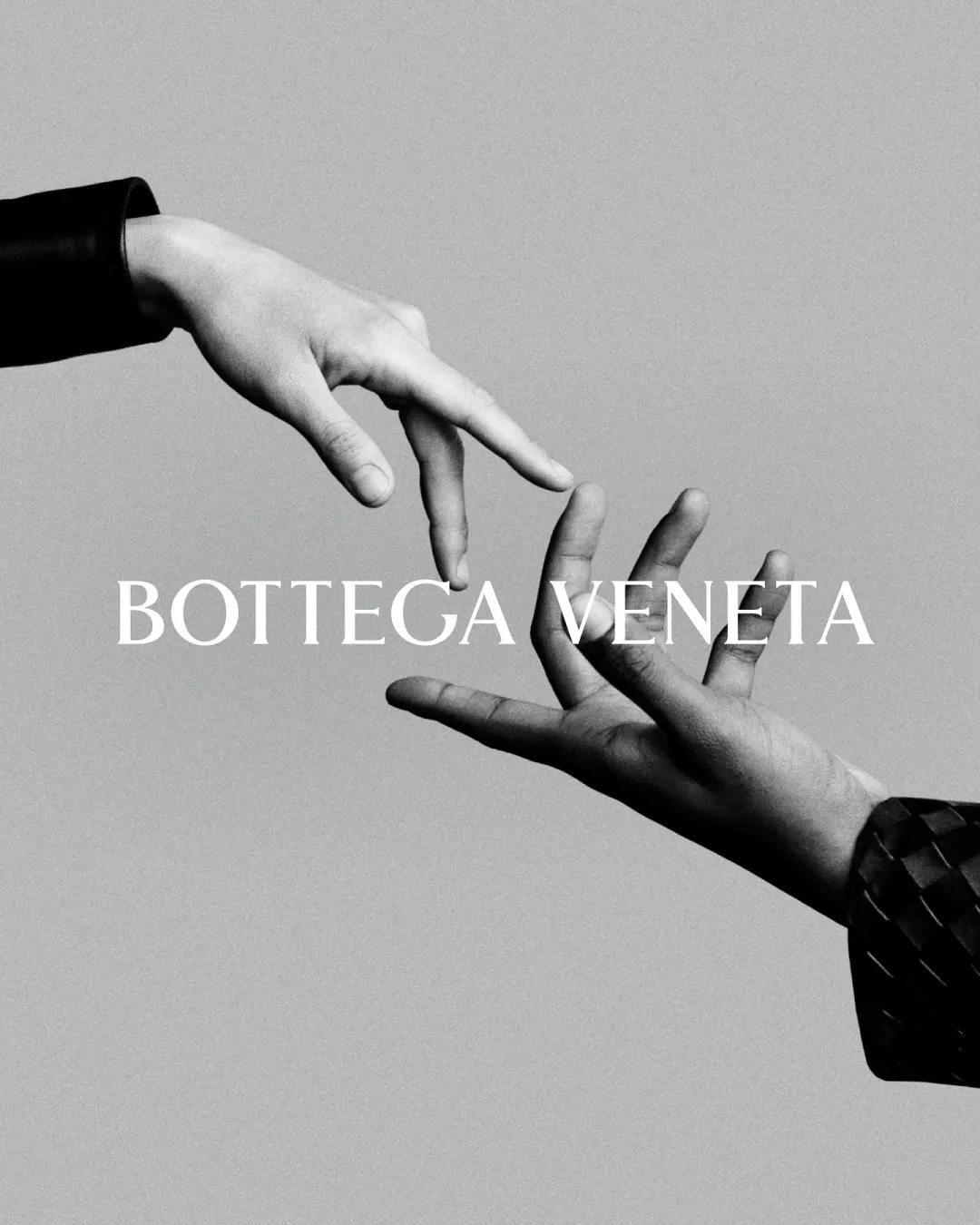
In a slowing luxury market, one brand has quietly defied gravity. While most of Kering’s powerhouses—Gucci, Saint Laurent—have stumbled, Bottega Veneta (BV) has shown steady growth. What’s striking is not only that BV is climbing in a time of contraction, but that it has done so by questioning its own “winning formula” and deliberately returning to its roots.
From a Bargain Rescue to a Revival
The story began in 2001. Gucci, then riding high under Tom Ford, acquired the struggling BV for just $156 million—a bargain in luxury terms. Ford tapped Tomas Maier, a German designer fresh from Hermès, to lead a turnaround. Before accepting, Maier insisted on visiting BV’s workshop in Vicenza, Italy.

What he found reassured him: master artisans weaving leather by hand at a pace of barely an inch a minute, each bag crafted entirely by one pair of hands. The Cabat, BV’s signature woven tote, was proof that the brand’s DNA—craftsmanship and discipline—still lived on.
The Era of Tomas Maier: Luxury in Silence
When Maier took charge, he rejected everything that defined late-1990s luxury: the race for “It Bags,” the obsession with logos, the frenzy of marketing. His Cabat had no hardware, no logos, not even a clasp. He banned advertising for his first year and refused interviews. To many, this seemed reckless; in hindsight, it was genius.
For Maier, luxury was not spectacle. It was restraint. His mantra—“true luxury doesn’t show itself at first glance”—shaped 17 years of BV’s evolution. He emphasized the Intrecciato weave, not a logo. Like Margiela’s discreet four stitches, BV’s woven leather became its invisible emblem. Under his watch, BV even launched a school to pass down its artisanal techniques.

By the time Maier left in 2018, BV had grown from $50 million in sales at the time of acquisition to a brand with global recognition. But the market had shifted. Kering concluded that craftsmanship alone was no longer enough to seduce millennials. Idealism had to give way to reinvention.
Daniel Lee and the “New Bottega”

Enter Daniel Lee in 2018, then just 32. Having honed his skills at Céline under Phoebe Philo, he understood how to connect with younger audiences without betraying BV’s DNA. His formula: modernize the Intrecciato with bold proportions, inject vibrant color, and most famously, introduce “Bottega Green.”

Lee also pulled BV off social media entirely, cultivating mystique in an age of oversharing. His runway shows and campaigns re-established BV as a cultural force. In 2019, he swept four major prizes at the Fashion Awards—the most ever won in a single night. Consumers, old and young alike, suddenly saw BV as relevant again.
By 2021, green Intrecciato clutches and sandals were everywhere. When people searched for “that shade of green,” they often landed on BV. Yet Lee’s tenure was short: his departure in 2021 left a question—could the “New Bottega” momentum last?
Matthieu Blazy and the Broadening of BV
Lee’s successor, Matthieu Blazy, picked up where he left off. A designer with a pedigree spanning Margiela, Céline, and Calvin Klein, Blazy sought to prove BV wasn’t “just about bags.” His collections built credibility for ready-to-wear, balancing refinement with quiet sensuality.
BV also cautiously returned to social media, keeping its tone cold and minimal. Blazy’s vision was less about spectacle and more about grounding the brand in lasting codes, creating differentiation after the color-driven hype of the Lee years. But in a climate of fast designer turnover, even Blazy’s run proved brief.
Louise Trotter and a New Chapter

In late 2023, Kering announced Louise Trotter as BV’s next creative director. Unlike her predecessors, Trotter arrived without “star designer” status. She had helmed Lacoste and Carven, but her reputation rested more on subtlety than shock. Importantly, she is currently the only female creative director within Kering’s luxury portfolio.
Her first campaign, Craft is Our Language, hinted at her approach: weaving BV’s artisanal heritage into a contemporary narrative. Using hand gestures as metaphors for weaving and communication, she even cast Oscar-winning deaf actor Troy Kotsur, tying together themes of craft, culture, and human connection.
The shift is notable: instead of chasing hype, BV under Trotter appears to be slowing down, returning to emotional storytelling and cultural symbolism. It’s a risk—will the new generation, drawn by the boldness of “New Bottega,” resonate with this quieter stance?
The Numbers Behind the Story
When Kering acquired BV, annual sales hovered at $50 million. In 2024, revenues hit €1.7 billion, growing at a compound annual rate of 16.6%—outpacing the luxury market’s 10–12% average. While Gucci plunged 25% in early 2024, BV stood as Kering’s rare bright spot.
It remains smaller than Gucci or Saint Laurent, but its trajectory matters more than its size. In a contracting market, steady growth signals resilience.

Craft, Balance, and the Future
Back in Vicenza, artisans like Anna Rosa still weave leather strips by hand, carefully balancing tension in four directions. A crocodile Cabat crafted this way now sells for $78,000.
At the same time, in Paris boardrooms, Kering executives weigh their own balance: between heritage and innovation, exclusivity and accessibility, artistry and profitability. Much like the tension in Intrecciato weaving, BV’s future depends on calibrating every pull of the leather—too tight, it breaks; too loose, it collapses.
In an era when Gucci is stumbling and luxury as a whole faces headwinds, BV’s restraint may be its greatest strength. It has shown that silence, if done with conviction, can speak louder than spectacle.


